Problem hub
Signs of Foundation Problems in Houston
Houses tell you when something has moved — usually quietly, and usually in more than one place at once. Here is what to look for and what each sign tends to mean.
The common indicators
Seven signs worth checking
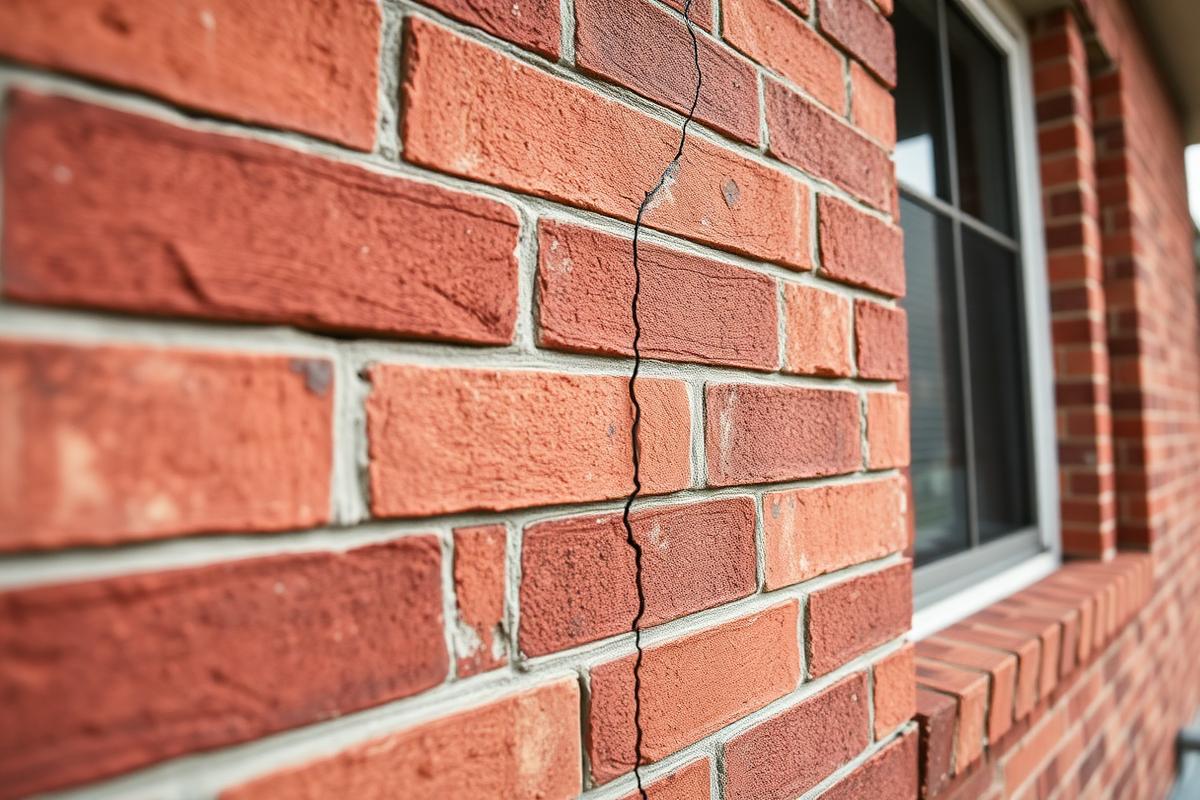
Cracks in walls or brick
Stair-step mortar cracks, diagonal cracks from window corners, or separations along a brick course.
Learn moreUneven or sloping floors
Floors that feel like they fall away toward one wall, or a noticeable dip in a hallway or back room.
Learn moreDoors that stick
Interior doors that rub the jamb, swing open on their own, or need to be forced to latch.
Learn moreGaps around windows
Trim pulling away from the wall, widening caulk joints, or windows that bind when opened.
Learn moreSlab cracks
Cracking visible in a garage slab, exposed concrete or under flooring in a slab-on-grade home.
Learn moreSinking sections of the home
One corner, an addition, or a room that sits visibly lower than the rest of the structure.
Learn moreSeparation at exterior masonry
Gaps opening between brick and window frames, garage door frames, or where a porch meets the house.
Learn moreReading the signs together
A single hairline crack over a doorway is not, by itself, evidence of a foundation problem. What matters is the combination and the geography of the symptoms. When cracked brick outside, a door that will not latch, and a sloping floor all occur along the same wall line, they are describing the same event.
Greater Houston contains extensive clay-rich soils that can expand when wet and shrink during prolonged dry periods. These moisture changes can contribute to differential foundation movement depending on the property, drainage, foundation type, and site conditions.
Cracks
Direction and width carry information. Diagonal cracks running from the corners of doors and windows follow the stress path of a structure being racked out of square. Stair-step cracks in mortar do the same thing in masonry. Fine vertical cracks in drywall seams are frequently cosmetic. Detail on foundation cracks.
Doors and windows
Openings are precise rectangles built into a wall. When the wall deforms, the rectangle does not, so the door rubs, sticks or swings. Humidity affects wood doors too, which is why a door that binds only in August is a weaker indicator than one that stopped closing permanently.
Floors
A perceptible slope, a dip in a hallway, or cracking that follows a straight line across tile all suggest elevation change. On pier-and-beam homes, bounce or a soft feeling underfoot points more toward joist and girder condition — see pier and beam repair.
Sinking and separation
A corner sitting visibly lower, a gap opening where a porch or garage meets the house, or an addition pulling away from the original structure indicate parts of the building moving at different rates. That is differential settlement.
What to do next
Photograph and date what you see. Note whether it appeared after a dry summer or a wet stretch. Then have the house measured — a foundation inspection converts symptoms into numbers, and numbers are what determine whether repair is warranted.
Questions about foundation warning signs
How fast do foundation problems get worse?
It varies widely. Some homes move seasonally and settle into a stable pattern; others progress steadily. Photographing and dating cracks, and re-checking after a wet or dry season, gives a useful sense of whether anything is changing.
Can I check my own floors for slope?
A ball or marble rolling consistently in one direction is a rough indicator, and a long level across a floor helps. Neither substitutes for elevation readings across the whole plan, which is what identifies the pattern.
Which sign is the most serious?
No single sign is decisive. Multiple related signs appearing on the same side of the house — cracked brick, a sloping floor, and doors out of square in the same rooms — is more meaningful than any one symptom alone.
Schedule a Free Foundation Inspection
Tell us what you are seeing. We will follow up to set an on-site evaluation.
Seeing more than one of these signs?
A free inspection will tell you whether they are connected and whether the movement is active.