Greater Houston · Slab & pier-and-beam
Foundation Repair in Houston, TX
Foundation inspections and repair solutions for slab and pier-and-beam homes throughout Greater Houston. We evaluate what the house is actually doing before recommending a repair method.
- Free on-site foundation evaluations
- Slab and pier-and-beam experience
- Repair options based on actual conditions
- Serving Houston, Katy, Pearland, Sugar Land and more
Common warning signs
What Houston homeowners usually notice first
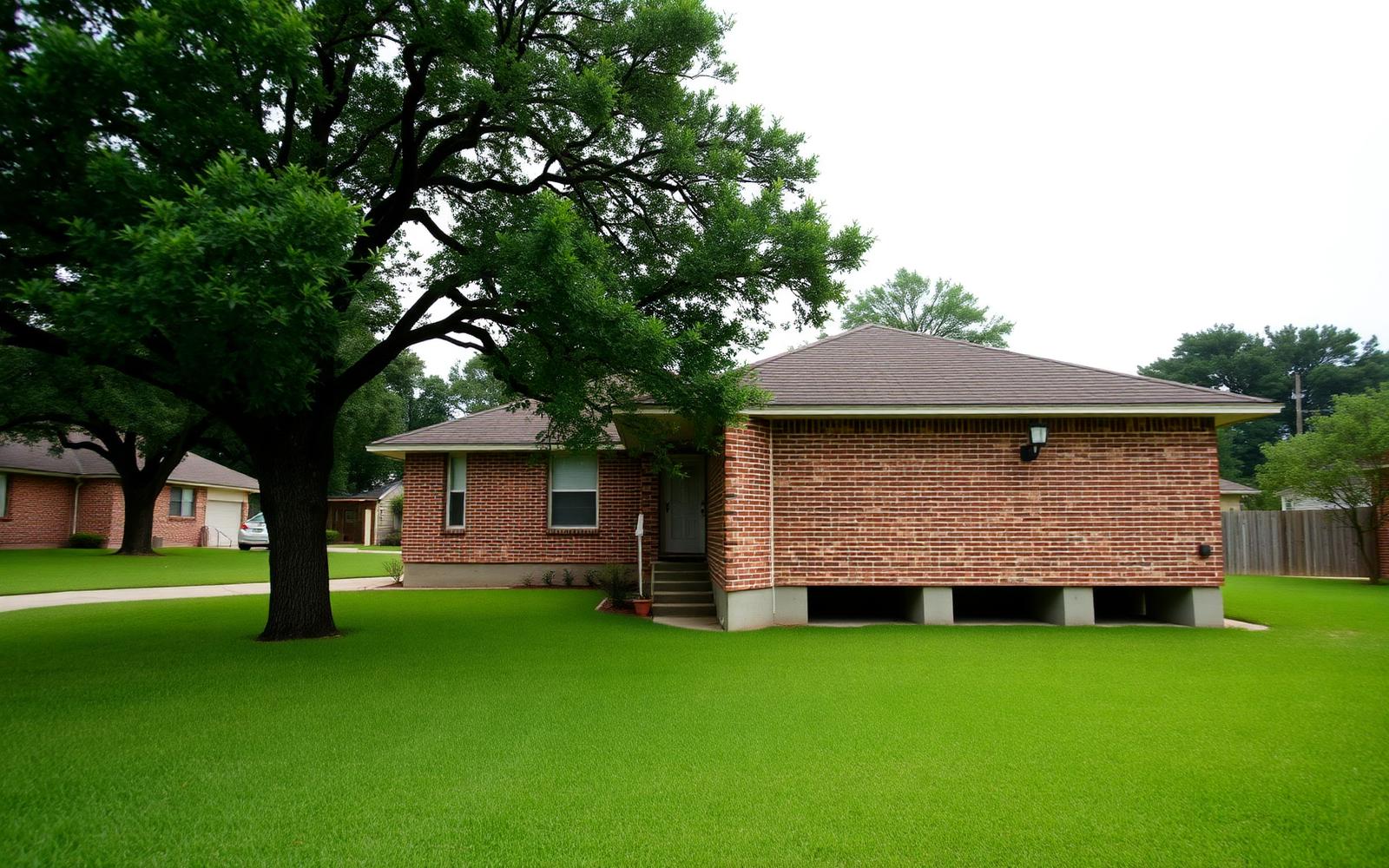
Foundation movement rarely announces itself. It shows up as small changes in how a house closes, sits and looks. Any one of these is worth a look.
Cracks in walls or brick
Stair-step mortar cracks, diagonal cracks from window corners, or separations along a brick course.
Learn moreUneven or sloping floors
Floors that feel like they fall away toward one wall, or a noticeable dip in a hallway or back room.
Learn moreDoors that stick
Interior doors that rub the jamb, swing open on their own, or need to be forced to latch.
Learn moreGaps around windows
Trim pulling away from the wall, widening caulk joints, or windows that bind when opened.
Learn moreSlab cracks
Cracking visible in a garage slab, exposed concrete or under flooring in a slab-on-grade home.
Learn moreSinking sections of the home
One corner, an addition, or a room that sits visibly lower than the rest of the structure.
Learn moreSeparation at exterior masonry
Gaps opening between brick and window frames, garage door frames, or where a porch meets the house.
Learn moreRepair services
Foundation work for Houston-area homes
Foundation Repair
Evaluation, stabilization and repair for settling residential foundations.
Learn moreSlab Foundation Repair
Slab-on-grade settlement, differential movement and pier support.
Learn morePier & Beam Foundation Repair
Beams, joists, shimming and crawl-space support work.
Learn moreHouse Leveling
Re-leveling slab and pier-and-beam homes back toward workable elevations.
Learn moreFoundation Piers
Pressed concrete piers, steel piers and other engineered support systems.
Learn moreFoundation Inspection
On-site evaluation of visible movement, elevations and drainage.
Learn moreFoundation Drainage Solutions
Grading, runoff and standing-water conditions around the foundation.
Learn moreLocal conditions
Why foundations move in Houston
Greater Houston contains extensive clay-rich soils that can expand when wet and shrink during prolonged dry periods. These moisture changes can contribute to differential foundation movement depending on the property, drainage, foundation type, and site conditions.
Along the upper Gulf Coast, the pattern is usually seasonal. Long hot and dry stretches pull moisture out of the soil at the perimeter of a house, and heavy rainfall puts it back quickly. Flat lots, slow drainage and high humidity mean water often lingers where it is not wanted.
Movement becomes a structural problem when it is uneven. A house that settles uniformly may show very little. A house where one corner dries faster than the rest — because of a slab-edge drainage issue, a large tree, or a leaking supply line — is the one that cracks.
Foundation settlement and drainage conditions are usually evaluated together for this reason.
Expansive clay soils
Clay-rich soils across much of Harris and Fort Bend counties change volume with moisture content.
Seasonal moisture swings
Extended dry periods followed by heavy rain create repeated expansion and contraction cycles.
Flat lots and slow drainage
Low relief in much of the metro means runoff often sits near the slab instead of moving away.
Sub-slab plumbing leaks
Where present, a leak beneath a slab can introduce moisture into soil that would otherwise be stable.
Foundation types
Slab vs. pier-and-beam in the Houston market
Slab-on-grade
The most common foundation type in post-1960s Houston subdivisions. A single reinforced concrete slab is poured directly on prepared soil. Repairs generally involve installing piers around the perimeter, and sometimes through the interior, to support and lift settled areas.
Slab foundation repairPier and beam
Common in older neighborhoods inside the Loop — the Heights, Garden Oaks, Montrose and similar areas — and in some newer custom builds. The structure sits above a crawl space on beams and interior supports, which can be shimmed, replaced or added to bring floors back to level.
Pier and beam repair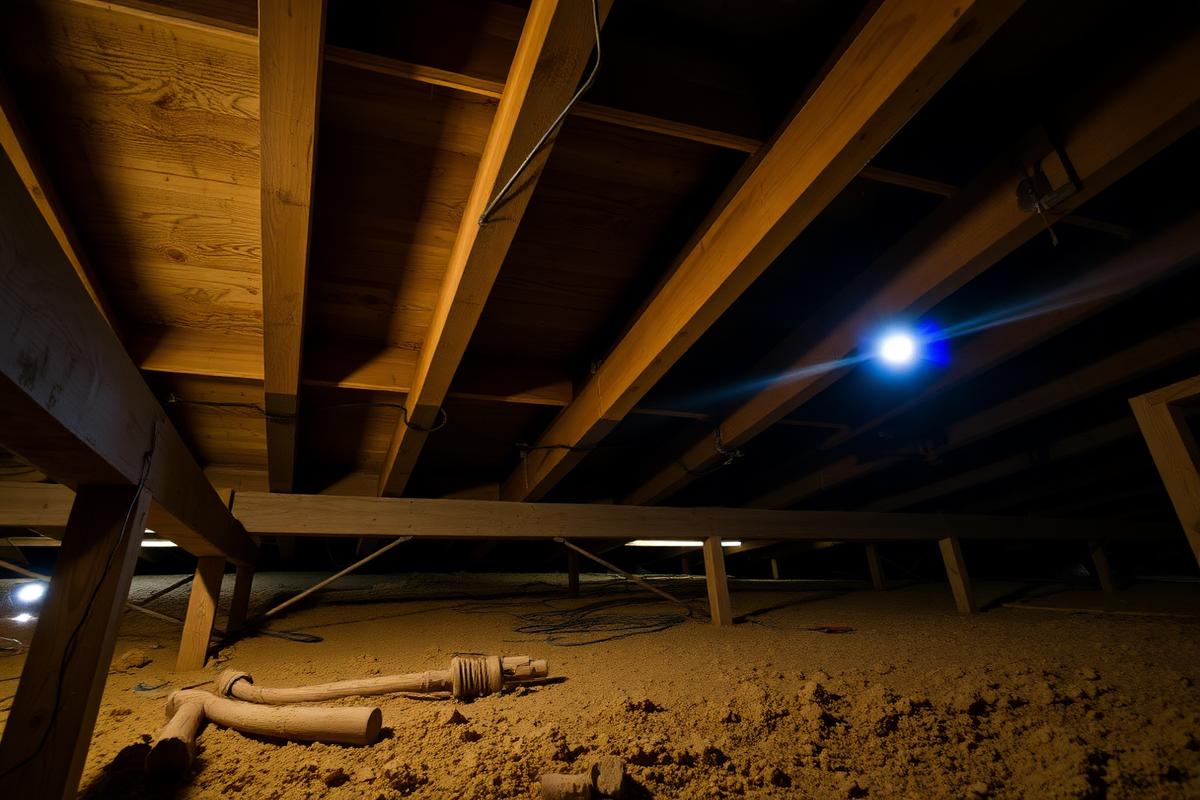
Cost
What foundation repair costs in Houston
Many typical residential foundation repair projects in the Houston market may fall roughly in the $4,500–$14,000 range, depending on foundation type, number of piers, extent of settlement, repair method, accessibility, drainage, plumbing considerations, and other site conditions.
Smaller localized work may start around several thousand dollars. Larger stabilization projects may exceed $20,000, and severe or complex structural work can cost more. These are market ranges, not quotes — an on-site foundation evaluation is required for accurate pricing.
What moves the price
- Number of piers
- Type of pier
- Slab vs pier-and-beam
- Interior access
- Tunneling if required
- Drainage conditions
- Plumbing leaks
- Extent of settlement
- Engineering requirements
- Restoration work

Inspections
How a foundation inspection works
An evaluation looks at the whole picture: visible cracking inside and out, floor elevation differences, how doors and windows operate, exterior masonry, and how water moves around the property.
The goal is to determine whether what you are seeing reflects active movement, and if so, what pattern it follows. Repair method should come out of that finding — not the other way around.
Service area
Greater Houston service areas
We work across the Houston metro, from inside the Loop out to the suburban corridors along I-10, US-59 and I-45.
Also serving Spring, Pasadena, Baytown, League City, Missouri City, Richmond, Rosenberg, Friendswood, Humble, Tomball and nearby communities. View all service areas.
How it works
Three steps from question to plan
- 01
Tell Us What You Are Seeing
Submit the short form with your address and a quick description of the cracks, slopes or gaps you have noticed.
- 02
Schedule a Foundation Inspection
We evaluate the condition of the property, take elevation readings and look at visible signs of movement and drainage.
- 03
Review Repair Options
You receive recommended next steps and estimated pricing based on the actual conditions found at the property.
Houston foundation repair FAQ
How much does foundation repair cost in Houston?
Many typical residential projects in the Houston market fall roughly in the $4,500–$14,000 range, depending on foundation type, number of piers, extent of settlement, repair method, access, drainage and plumbing considerations. Smaller localized work can start lower, and larger stabilization projects can exceed $20,000. An on-site foundation evaluation is required for accurate pricing.
Why do Houston homes have foundation problems?
Much of the region sits on clay-rich soils that swell with moisture and shrink during long dry stretches. When that moisture change is uneven around a house — because of drainage, trees, or a plumbing leak — parts of the foundation can move differently than others.
Are foundation cracks always serious?
No. Many hairline cracks in drywall, mortar or a garage slab are cosmetic or related to normal curing and shrinkage. Width, direction, location and whether the crack is changing over time matter more than the crack alone.
What are signs that a slab foundation is settling?
Common indicators include sloping floors, doors that no longer latch, diagonal cracks above openings, separation at exterior brick, and gaps where interior trim meets the floor or ceiling.
What is the difference between slab and pier-and-beam repair?
Slab repair usually involves installing piers beneath the perimeter or interior of the concrete slab to support and lift the settled area. Pier-and-beam work happens in the crawl space and often involves adjusting or replacing interior supports, shimming beams, and addressing damaged joists or girders.
How do foundation piers work?
Piers transfer part of the load of the structure from the shallow, moisture-sensitive soil to deeper, more stable material. Sections are driven or installed below the foundation, then the foundation is supported and, where appropriate, raised back toward its intended elevation.
Can poor drainage affect my foundation?
It can. Water that collects along the foundation keeps that soil wet while other areas dry out, which increases the moisture difference around the perimeter. Correcting grading and runoff will not repair existing movement, but it removes one of the conditions that contributes to it.
How long does foundation repair usually take?
Many residential pier projects are completed within a few days once work begins. Projects involving tunneling, extensive interior access, plumbing work or larger stabilization scopes take longer.
Should I get my foundation inspected before selling my home?
It is often useful. Knowing the current condition before a buyer's inspection lets you plan for repairs or price the property accordingly rather than negotiating under a deadline.
Do plumbing leaks under a slab affect the foundation?
They can. A leak beneath a slab introduces water into soil that would otherwise be stable, which may cause localized swelling or, with some leaks, soil washout. When a leak is suspected, testing the plumbing before repair work is usually the right sequence.
Schedule a Free Foundation Inspection
Tell us what you are seeing. We will follow up to set an on-site evaluation.
Not sure if what you are seeing is serious?
A free on-site evaluation gives you an honest read on the condition of the foundation and what, if anything, needs to be done.